Categories
PhoenixPublished August 14, 2026
What's Your Edible Foraging Score? The Real Estate Metric Growing Value Beyond Free Fruit

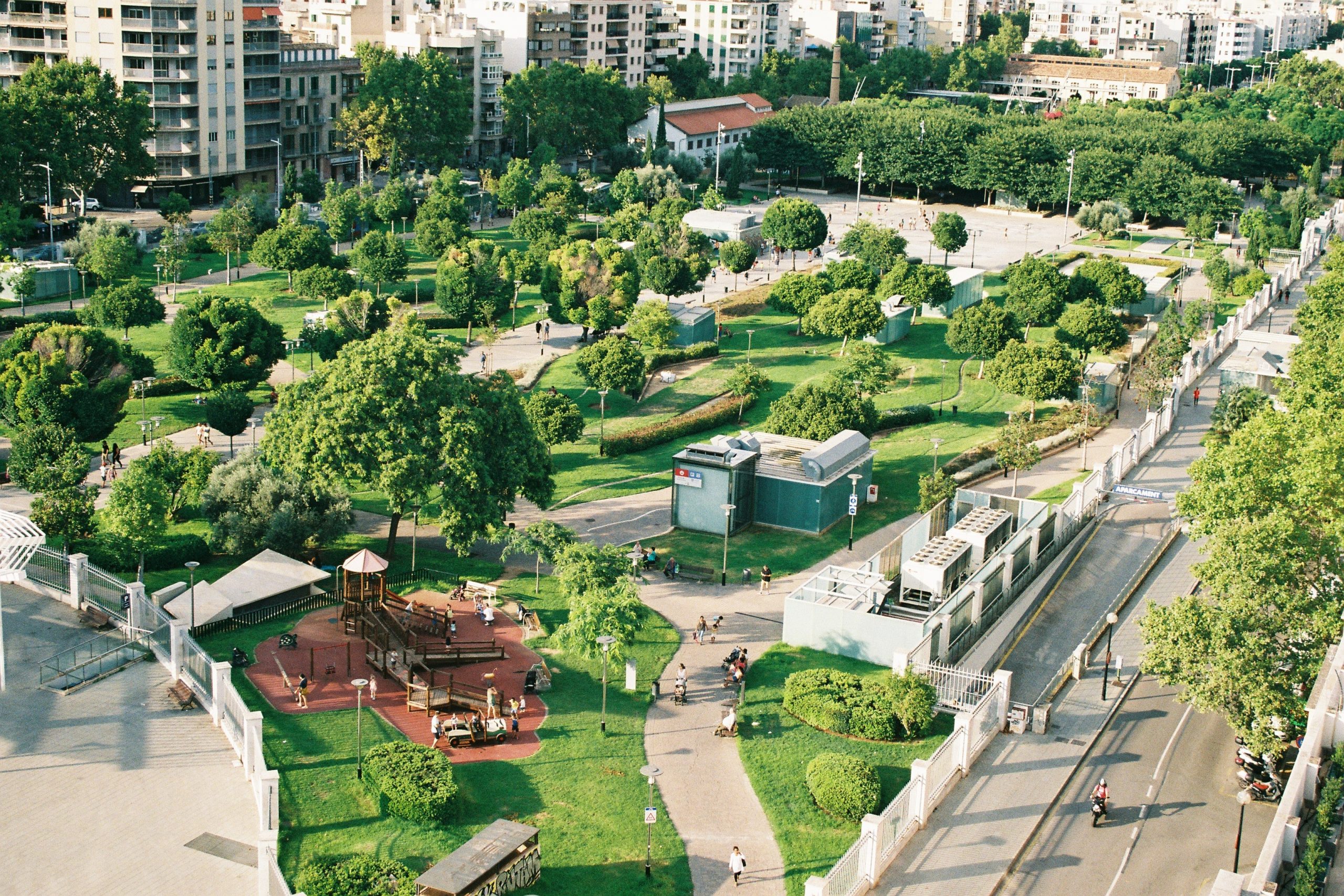
Move over, Walk Score and Transit Score. There’s a fresh metric taking root in modern real estate: the Edible Foraging Score. Originally adapted from wildlife ecology models, this metric uses municipal canopy maps, soil safety data, and urban foraging registries like FallingFruit.org to evaluate the density, accessibility, and safety of harvestable wild biomass within walking distance of a property.
From street-side fruit trees and hazelnut hedges to wild berry patches and herb corridors, a high score means your neighborhood is a functional food forest. But while harvesting a free handful of organic berries on your morning stroll is delightful, the real value of a high Edible Foraging Score lies far beneath the surface.
Here is why a top-tier score matters far beyond a free afternoon snack:
1. Safer, Closer Communities
Foraging inherently encourages people to linger outdoors and interact with their surroundings. Studies show that neighborhoods with active foraging spaces demonstrate higher "collective efficacy"—a sociological metric measuring mutual trust and neighborhood cohesion. This active presence creates natural surveillance ("eyes on the street"), which deters vandalism, lowers opportunistic crime rates, and builds community pride.
2. Lower Energy Bills and Climate Resilience
Canopy-rich edible landscapes featuring native nut and fruit trees can cool local microclimates by 5°F to 10°F, mitigating urban heat islands and cutting summer air-conditioning costs for adjacent buildings. Additionally, deep-rooted perennial groundcovers capture stormwater runoff and reduce soil erosion by up to 70%, protecting property foundations from localized flooding.
3. High Tenant Retention and ESG Appeal
Today’s buyers and renters, 70% of Millennials and nearly half of Gen Z, actively prioritize sustainable design and edible gardening. For commercial and residential property managers, edible landscapes serve as interactive amenities that host harvest workshops and tenant events, directly driving higher lease renewal rates. Furthermore, edible landscaping directly aligns with corporate ESG goals, earning points toward WELL and LEED building certifications.
4. Biophilic Health and Stress Reduction
Active engagement with edible plants offers documented psychological benefits. Stepping outside to harvest fresh herbs or fruit reduces cortisol levels, mitigates mental fatigue, and connects residents with local nature in a tangible, sensory way.
The Bottom Line
The Edible Foraging Score is transforming how we evaluate green spaces, shifting the focus from purely ornamental lawns to productive, resilient, and community-centered environments.
Interested in learning more about how emerging industry trends could impact your property’s valuation? Contact HouzAZ & Associates today for more information on this and other little-known real estate metrics, terminology, and acronyms!

Paul O'Connell
REALTOR®/Associate Broker/Team Lead | HouzAZ & Associates | Realty One Group
or another way